
Ajinomoto Indonesia
"To create seasonings that are delicious and affordable, and to transform simple and nutritious foods into tasty dishes."
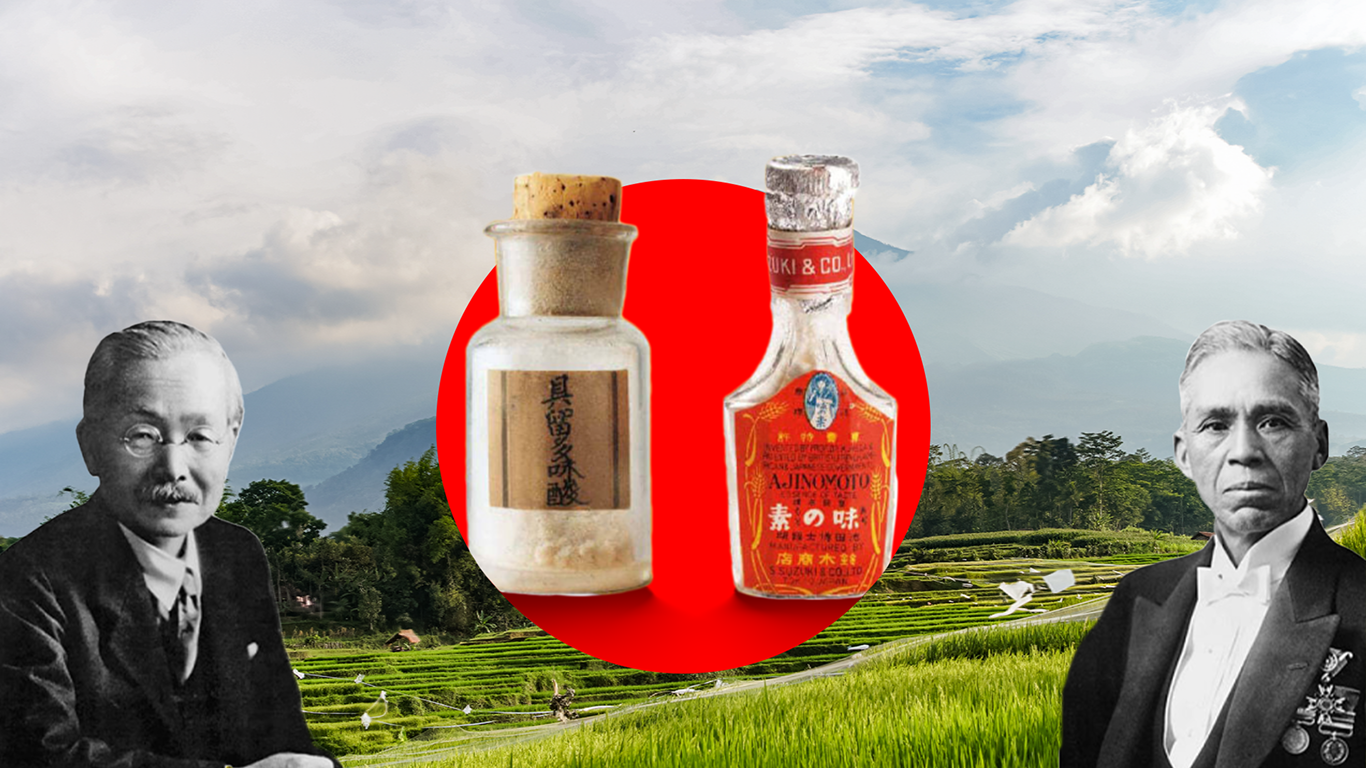
The History of Umami
Dr. Kikunae Ikeda discovered umami in the extract of Japanese seaweed, or kombu
Dr. Ikeda presented his discovery at the 8th International Congress of Applied Chemistry, Washington-USA, and defined Umami as follows: "Those who pay careful attention to their tastebuds will discover in the complex flavor of asparagus, tomatoes, cheese & meat, a common & yet absolutely singular taste which cannot be called sweet, or sour, or salty or bitter…"
Umami gained global scientific acknowledgement as the "5th Basic Taste"
Glutamate is the Key of Umami Taste
.png)
Foods with Umami taste can be found everywhere in the world, even in the Europe
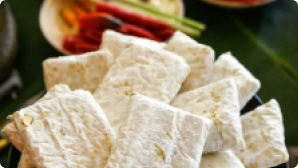
Indonesia too has rich Umami-tasting foods, such as tempeh, belacan (shrimp paste) and tauco (fermented beans used as seasoning)
.png)
Umami is also present in our daily foods.

Breast milk is in fact rich of Umami taste. Read the facts on umamiinfo.com
.png)
Aji-no-moto® (MSG) is source of Umami taste, as it contains 78% of glutamate, 12% of sodium, and 10% water.
Umami Publication
.png)
.png)

.png)
.png)